

For many dance studios, recital ticketing starts the same way: General Admission. It feels simple, familiar, and easy to manage. But as studios grow and performances sell out, that simplicity often turns into event-day stress – for staff, for families, and for performers.
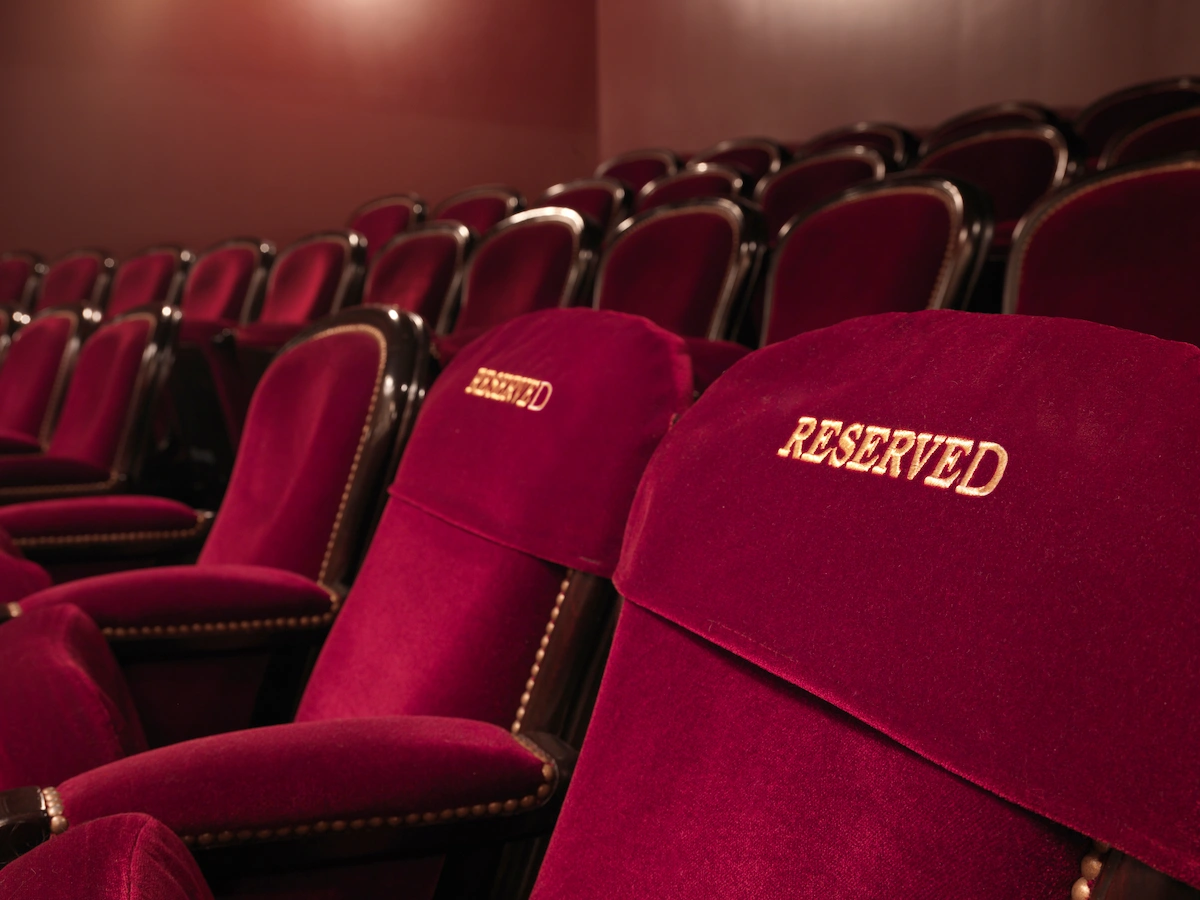
Making the shift to reserved seating isn’t just a logistical upgrade. It’s a transformation in how your recital operates, how families experience it, and how much revenue your event can generate.
1. A Better Experience for Everyone Involved
General Admission can create uncertainty. Families arrive early to claim seats, save rows for others, and navigate crowded lobbies. Small frustrations can quickly escalate into stressful situations. Certainly not ideal, especially when considering we know those good feelings on show day are directly tied to re-enrollment.
Reserved seating removes that chaos entirely.
Families know exactly where they’re sitting before they arrive. There’s no rushing, no negotiating, and no confusion. The result is a calmer, more enjoyable experience that feels organized and professional.
For dance studios working with young performers, the benefits go even deeper. Children can be unpredictable; sometimes they miss a cue, get overwhelmed, or simply need a parent. With reserved seating, staff know exactly where that parent is sitting and can quickly bring them backstage if needed. There’s no searching the lobby or delaying the show – just a smooth, quiet solution that supports the child without disrupting the performance.
2. Unlocking New Revenue Opportunities
General Admission typically means one price for all seats. Reserved seating changes that completely.
When you assign seats, you gain the ability to introduce tiered pricing, which typically looks like premium seats in the front and center, standard seats everywhere else. Families who truly want the best view are always willing to pay more, especially for milestone performances.
Reserved seating also encourages earlier purchases. Instead of waiting, families are motivated to buy sooner to secure the best available seats. This not only improves cash flow, but also gives studios better visibility into demand well before recital day, especially when ticketing is connected to your studio’s broader enrollment and billing systems. Consider this and your pre-show invoices when planning when ticket sales should start.
The result is a more predictable, more profitable event—without adding administrative complexity.
3. Turning Your Recital Into a Data-Driven Event
Perhaps the biggest shift comes from what reserved seating makes possible behind the scenes.
When your ticketing is connected to a system like Jackrabbit, studios can move beyond guesswork and start making data-driven decisions.
With tools like DRT’s Occupancy Visualizer, studios can actually see how their venue fills over time—whether seat-by-seat or minute-by-minute. Patterns quickly emerge: which sections sell first, how fast demand builds, and where opportunities may be missed.
On the revenue side, pricing no longer has to be a guess. Studios can use the Revenue Visualizer to model different pricing strategies across sections, rows, or seat groups and instantly see the impact on total revenue. Instead of hoping your pricing is correct, you can strategize and optimize it with confidence. Because this data is tied to real families and enrollments, studios can make smarter decisions not just for this recital, but for future events as well.
This is the difference between simply selling tickets and actively managing your event like a professional venue.
The Bottom Line
General Admission solves seating. Reserved seating is the foundation for a more connected system – one that brings together ticketing, family data, and reporting to create a better experience for everyone involved. It creates a better experience for families, gives time back to staff on event day, increases revenue potential, and gives studios the tools to continuously improve and grow.
For studios looking to elevate their recital—from both an experience and a business standpoint—reserved seating isn’t just an upgrade. It’s a competitive advantage.

Josh Olson
CEO and Founder
DRT Performance Tix
After becoming involved in the dance industry in 2003, he launched DRT in 2012 with just seven studios. Today, DRT is the largest ticketing provider in the dance space, supporting studios across the U.S. and Canada. Josh is passionate about helping studio owners simplify recital season, improve the ticket-buying experience, and unlock new revenue opportunities through smarter systems and tools.